A Verdict Without a Road Home
By Oken Jeet Sandham
The International Court of Justice has done what international law is expected to do: establish the crime and hold a state accountable for its actions.
In a 9–6 ruling delivered on 19 November 2026, the court found that Myanmar committed genocide against the Rohingya during the 2017 “clearance operations” in northern Rakhine State. It ordered Myanmar to cease ongoing violations, investigate and prosecute those responsible, provide reparations, and enable the safe, voluntary and dignified return of Rohingya refugees to their homes.
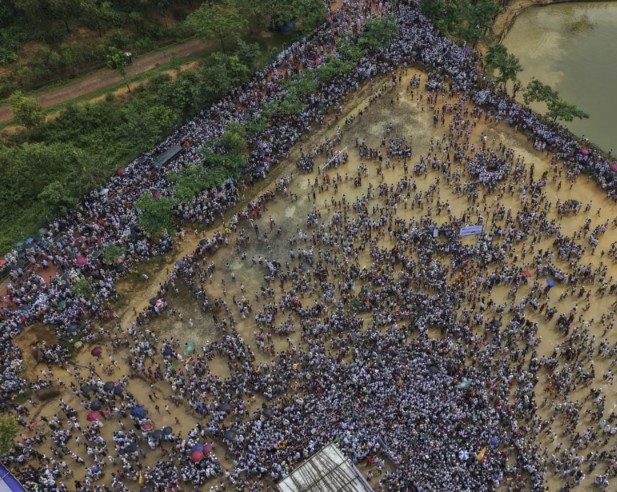
For the Rohingya refugees in Cox’s Bazar, the verdict was an important moment. Their suffering was no longer merely a matter of competing claims or political allegations. The highest court in the international judicial system had recognised the violence for what it was: genocide.
But a verdict is not a homecoming. Recognition of a crime does not automatically restore the lives destroyed by it.
The question now is not whether the Rohingya have a right to return. The question is whether Myanmar can provide the conditions under which such a return would be safe, voluntary and dignified.
At present, those conditions do not exist.
What the court established
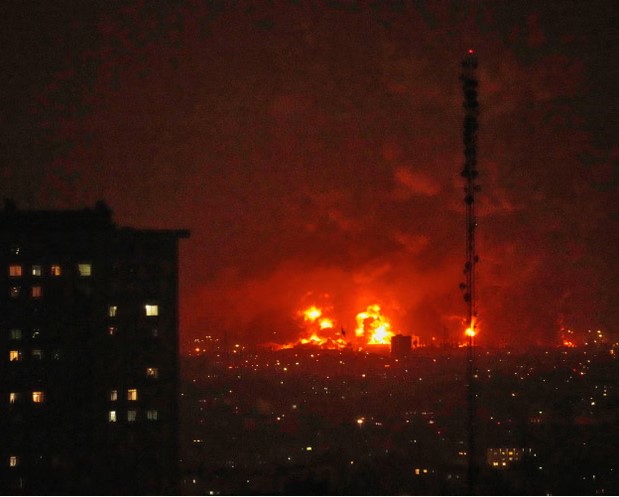
The ICJ found that Myanmar’s security forces committed mass killings, widespread sexual violence and the destruction of Rohingya villages. It concluded that the acts were carried out with the intention of destroying at least part of the Rohingya population.
Myanmar had maintained that the operations were legitimate counter-terrorism measures. The court rejected that argument, finding that the campaign met the legal definition of genocide.
The ruling also established Myanmar’s responsibility as a state. It is therefore not enough for the authorities to deny wrongdoing or attribute the violence to individual soldiers. The state has a legal obligation to repair the harm caused.
That obligation includes restitution, compensation, guarantees against the repetition of such crimes and the restoration of rights denied to the Rohingya.
The significance of the verdict lies in this distinction. Genocide is not simply a description of widespread violence. It is a crime involving specific acts committed with the intention of destroying, in whole or in part, a protected group.
The court has now established that this threshold was met.
A familiar response from the junta
Myanmar’s military government rejected the ruling almost immediately. Presidential spokeswoman Khaing Khaing Soe described it as “unfair”, pointed to the 9–6 division among the judges and insisted that Myanmar had been wrongly accused.
Such a response was hardly unexpected.
Authoritarian governments often respond to international scrutiny by questioning the institution, challenging its motives and presenting accountability as interference in their internal affairs. The junta has followed the same course, treating the verdict as an attack on Myanmar’s sovereignty rather than a judgment on the conduct of its military.
But sovereignty cannot be a shield against accountability for crimes committed against a population.
The position of Min Aung Hlaing is particularly difficult. He commanded the military during the 2017 operations and later seized power in the 2021 coup. He is now associated with the authority expected to comply with the ruling, while remaining closely linked to the events under examination.
The junta’s rejection of the verdict may be politically convenient. Compliance, however, would require more than a public statement. It would require the authorities to acknowledge responsibility, protect the Rohingya and permit the return of a population that the military itself drove out.
That is a very different undertaking.
Myanmar is not a country at peace
One cannot examine the question of Rohingya repatriation without considering the present condition of Myanmar.
Since the 2021 coup, the country has been engaged in a civil war involving the military, resistance forces and ethnic armed organisations. The military has lost substantial territory, and its control over several parts of the country remains contested.
Rakhine State, where the Rohingya once lived, has become one of the major theatres of conflict. The junta no longer controls much of the state and cannot unilaterally guarantee security in areas where it has lost control.
This presents a serious contradiction.
The ICJ has ordered Myanmar to enable the safe return of the Rohingya. Yet the country is divided, its military is fighting on several fronts, and the authorities responsible for the genocide have neither demonstrated the willingness nor the capacity to protect the people they displaced.
The question is therefore not merely whether Myanmar will accept the refugees. It is whether anyone can guarantee their safety once they return.
Humanitarian organisations have repeatedly pointed out that the conditions for safe return are absent. Myanmar itself has indicated that repatriation must wait until security improves.
That admission alone shows how far the country remains from fulfilling the court’s order.
The villages that were destroyed
The question of return is further complicated by the destruction of Rohingya villages.
Many of the villages from which the Rohingya fled in 2017 have been destroyed or altered beyond recognition. Some areas have been rebuilt, while others have been occupied or repopulated by different communities.
A refugee cannot simply return to a place that no longer exists and be expected to resume life as before.
Restoring the rights of the Rohingya would require identifying their original land, examining property claims, rebuilding homes and infrastructure, and resolving disputes involving present occupants.
These are not matters that can be settled by announcing a repatriation programme.
They require a functioning administration, a credible legal system and political willingness to recognise the rights of those who were forcibly displaced.
The court can order restitution. But the actual restoration of land and property will depend on the authorities on the ground.
Citizenship remains the central issue
Even if peace returns to Rakhine State and the question of land is resolved, another fundamental problem remains: citizenship.
Myanmar has long denied the Rohingya full citizenship, treating them as illegal migrants from Bangladesh despite generations of residence in the country.
This denial has been at the root of their exclusion and vulnerability.
The ICJ’s ruling requires protection against discrimination and persecution, including in matters of citizenship and freedom of movement. But implementing such an obligation would require changes to the existing citizenship framework, particularly the 1982 Citizenship Law, which has effectively excluded the Rohingya from full nationality.
Without citizenship, return would mean little more than physical presence in Myanmar.
They could remain stateless, face restrictions on movement, be vulnerable to arbitrary detention and continue to live without the security that citizenship is supposed to provide.
A person cannot be expected to return to a country where his or her identity and belonging remain disputed.
Can a court guarantee safety?
This is perhaps the most important question arising from the ruling.
Can an international court guarantee the physical safety of a population without a peacekeeping presence or an effective security arrangement on the ground?
The answer is no.
A court can establish legal obligations, order reparations and provide a basis for accountability. It cannot deploy troops, secure villages, protect borders or prevent armed groups from attacking civilians.
A United Nations peacekeeping presence would require a Security Council mandate. Given the political divisions among major powers and the veto system, securing such a mandate would be difficult.
Even if peacekeepers were authorised, the task would be enormous. They would have to operate in a conflict-affected region, protect civilians, monitor armed groups and help create conditions for the return of a population that has already suffered genocide.
Without an effective security arrangement, the Rohingya would be expected to place their trust in the very authorities accused of committing crimes against them.
That is not a reasonable expectation.
What does voluntary return mean?
The word “voluntary” must be taken seriously.
Rohingya refugees may wish to return to their ancestral homes. But the desire to return does not mean they are prepared to return under any circumstances.
A voluntary return must be based on informed choice. Refugees must know the actual conditions in their villages, understand the risks and have the freedom to decide whether to return.
There must be no coercion, direct or indirect. Nor should refugees be pressured into returning simply because the country hosting them faces difficulties.
A return is not voluntary if people are left with no meaningful alternative.
It must also be sustainable. The refugees need homes, livelihoods, freedom of movement, access to education and healthcare, and protection against renewed persecution.
Without these conditions, repatriation may become another form of displacement rather than a solution to it.
What real repatriation would require
A credible repatriation process cannot be built around a single agreement or a political announcement.
It would require, at the very least:
- A ceasefire or stable security arrangement in Rakhine State.
- Independent monitoring of conditions before and after return.
- Restoration of land and property, or fair compensation where restoration is impossible.
- Citizenship reform and protection against discrimination.
- Family reunification and access to essential services.
- Effective guarantees against renewed violence and persecution.
These conditions must be addressed together.
A ceasefire without citizenship would leave the Rohingya vulnerable. Citizenship without security would expose them to danger. Restoring land without resolving property disputes could create further conflict.
The ICJ has established the legal obligation. But the implementation of that obligation requires political, administrative and security arrangements that Myanmar does not presently possess.
The responsibility of the international community
Bangladesh has hosted Rohingya refugees for years. The burden on the country is considerable, and the need for a durable solution is understandable.
But Bangladesh cannot compel Myanmar to provide safe return. Nor can it guarantee the security of refugees once they cross the border.
The international community must therefore decide whether the ICJ ruling will become the beginning of a serious effort to resolve the crisis or remain another important judgment without practical consequences.
The ruling provides a legal foundation. It must now be followed by sustained diplomatic pressure, humanitarian support and a credible security framework.
Otherwise, the international community risks celebrating a legal victory while leaving the people concerned in the same condition in which they have lived for years.
For the Rohingya, the verdict confirms what they have always maintained: they belong in Myanmar and were driven out by force.
But belonging is not the same as being allowed to return. And being allowed to return is not the same as being able to live safely.
The verdict and the road ahead
The ICJ ruling is a significant legal milestone. It establishes Myanmar’s responsibility for genocide and creates an obligation to repair the harm.
But the distance between a legal verdict and its implementation remains considerable.
Myanmar is at war. Rakhine State is unstable. Rohingya villages have been destroyed or altered. Citizenship remains unresolved, and the authorities responsible for the crimes have rejected the court’s findings.
Under these conditions, repatriation cannot be treated as an immediate administrative exercise.
The court has done its part by establishing the crime and the obligations that follow. The responsibility now rests with Myanmar, the United Nations, regional bodies and the international community to create the conditions necessary for the ruling to become a reality.
Until security, citizenship, property rights and protection from persecution are addressed, safe, dignified and voluntary return will remain an aspiration.
The Rohingya have received a verdict. What they still need is a road home.