“Journalism is printing what someone else does not want printed; everything else is public relations.”
— George Orwell
|
Headlines |
|
|
Top News |
News From Around the World
-
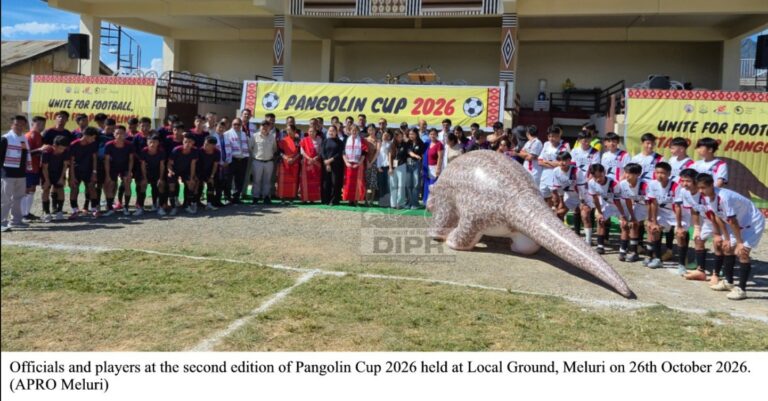
Pangolin Cup 2026 inaugurated in Meluri to promote wildlife conservation
MELURI, October 26 (NEPS): The second edition of Pangolin Cup 2026 was inaugurated at Meluri Local Ground on Sunday to…
-
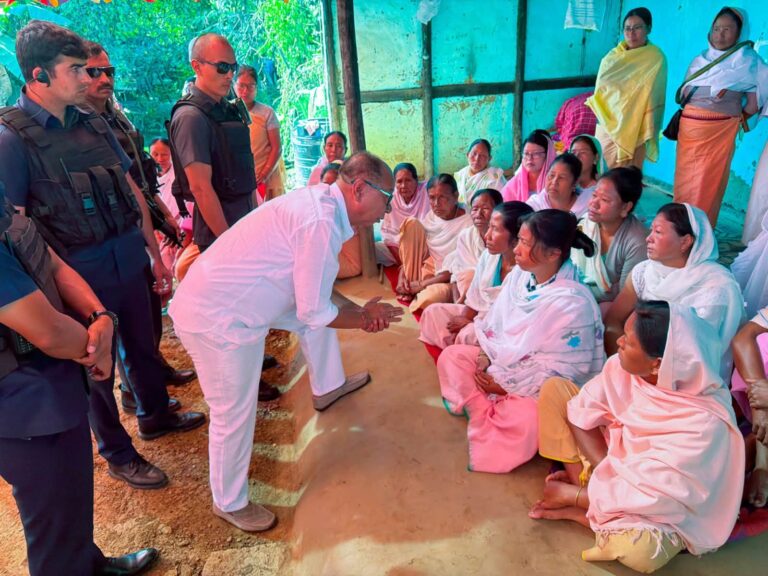
Manipur CM meets families of Sunurok attack victims, visits injured
IMPHAL, October 26 (NEPS): Chief Minister Yumnam Khemchand Singh today visited Nongshum in Imphal East district and met the families…
-
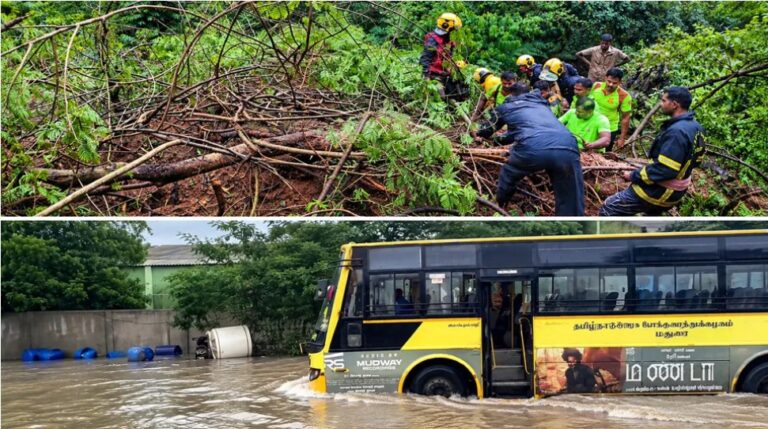
Schools shut, officials’ leaves cancelled: Odisha steps up preparedness as severe cyclonic storm nears Andhra coast
he leave of district collectors, district magistrates and other officers posted in critical offices has been cancelled, while schools have…
-
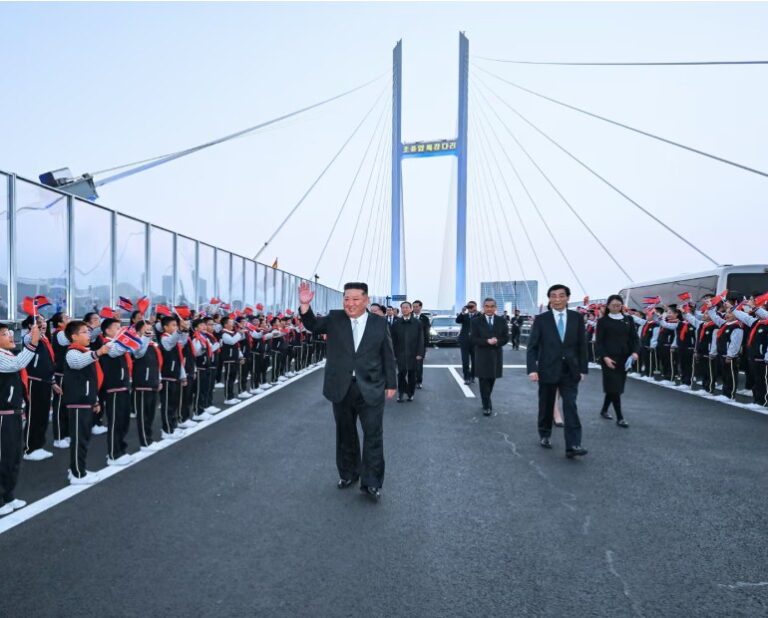
Kim Jong-un crosses newly opened bridge into China
North Korean leader travels over New Yalu River Bridge to meet senior Communist party member Raphael Rashid in Seoul Kim…
-
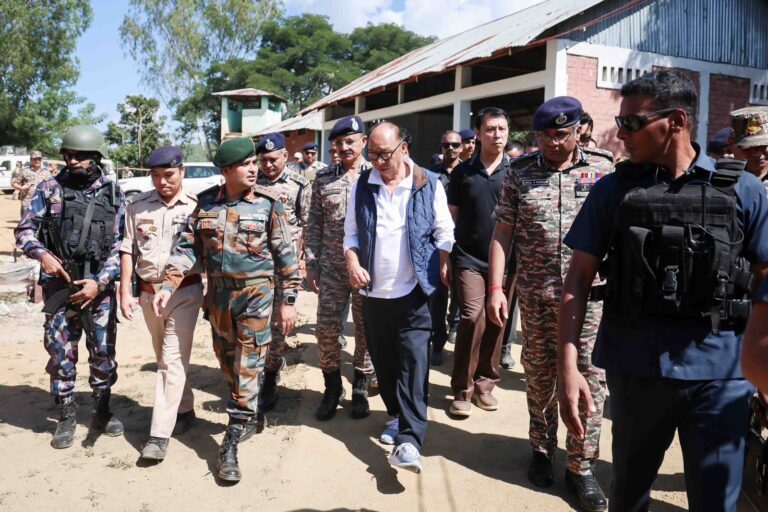
Manipur CM visits disarmed SoO camp in Kangpokpi
IMPHAL, October 25 (NEPS): Manipur Chief Minister Yumnam Khemchand Singh today visited Sinai Camp, a designated Suspension of Operations (SoO)…
-
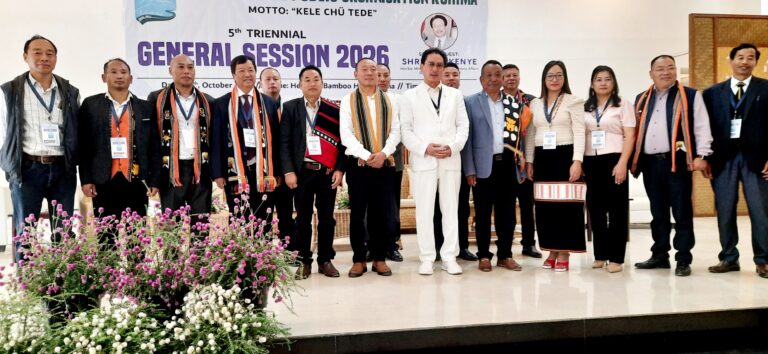
CHIZAMI RANGE HAS VITAL ROLE IN NAGA UNITY, DEVELOPMENT: KG KENYE
KOHIMA, October 24 (NEPS): Nagaland Minister for Power and Parliamentary Affairs, KG Kenye, today said the Chizami Range had played…
Regional News
Opinions
-
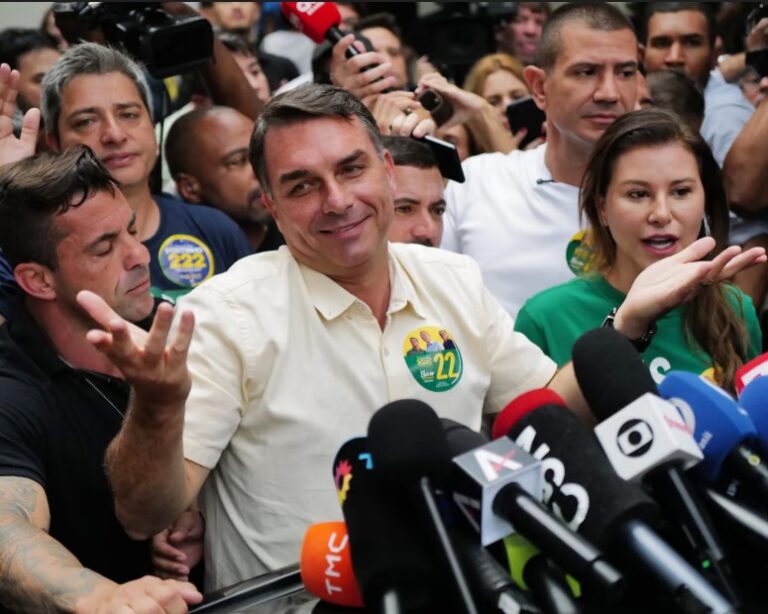
Strongmen like Trump would destroy the planet out of pure spite – and Brazil shows we’re all in peril
If Flávio Bolsonaro is elected, Brazil’s ecosystems will face collapse. The ruling class would rather burn the world than share it with the poor George Monbiot However grim the trajectory might seem, I’ve always believed that sense will ultimately prevail. As the great perils of dismantling the living world become increasingly obvious, even the most…
Editorials
-
A Democracy Is Tested by How It Answers Its Critics
EDITORIAL: For three weeks the streets of Delhi have carried one demand: that the Chief Election Commissioner step down. The Election Commission denies wrongdoing, and the government has dismissed the demand as a non-starter. Neither the protest nor the denial settles anything. The facts about the voter-roll revision are still to be established, and that…

| EDITORIAL |
| The World Cannot Afford to Look Away The Strait of Hormuz crisis is not a regional conflict. It is a civilisational emergency. May 1, 2026 |
| Sixty-two days ago, when the United States and Israel launched strikes on Iran and killed Supreme Leader Ali Khamenei, the world held its breath. Today, it is beginning to choke. The Strait of Hormuz — that narrow, twenty-one-mile passage through which a quarter of the world’s seaborne oil and a fifth of its liquefied natural gas once flowed freely — has been effectively closed since 28 February 2026. What began as a military confrontation in the Persian Gulf has metastasised into a global humanitarian and economic emergency of the first order. On Thursday, UN Secretary-General António Guterres delivered a warning that every government on earth should be compelled to hear. Ship transits through the Strait have collapsed by over ninety percent. Brent crude hovers at $118 per barrel. And if disruptions continue only through midyear — not even through the end of the year — thirty-two million people will be pushed into poverty and forty-five million more will face extreme hunger. In the worst-case scenario, where severe disruptions persist through December, the Secretary-General spoke of something no living generation has witnessed on this scale: a full global recession, with inflation exceeding six percent and growth plummeting to two. His message was three sentences long, and they deserve to be repeated: “Open the Strait. Let all ships pass. Let the global economy breathe again.” READ FULL |
Gallery’s