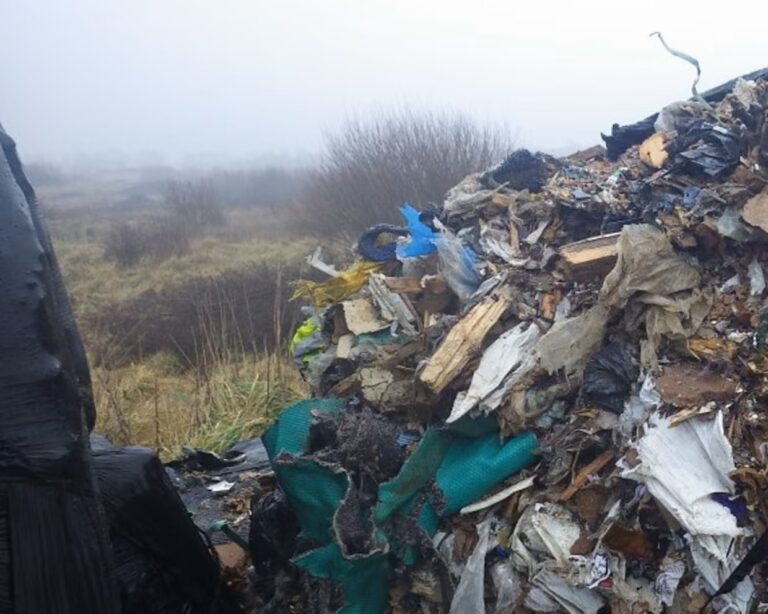
Faulty electrical goods returned to UK supermarkets ending up on Ghana ‘megadump’
Mountains of household items are burned and stripped down at the tip by workers without protection such as masks, investigation alleges
Sandra Laville Environment correspondent
Electrical goods that were returned as faulty to leading British stores including Tesco, Argos and Asda have been found dumped on a waste tip in Ghana, an investigation has found.
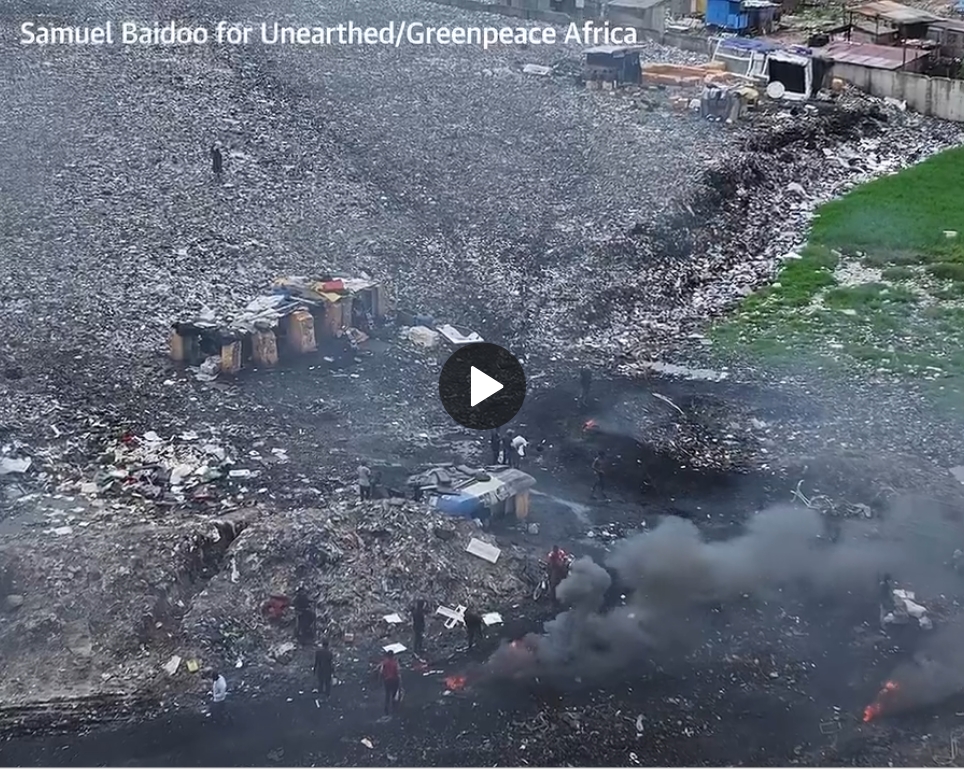
The faulty electrical appliances, including toasters and slow cookers, had been returned to major UK supermarkets. They were found at Agbogbloshie, one of the world’s largest e-waste sites, in Ghana’s capital, Accra, a joint investigation by Unearthed and Greenpeace Africa has found. The findings raise serious questions about e-waste export rules.
Mountains of household items are burned and stripped down at the tip by workers without protection such as gloves and masks, the investigation alleges.
Exporting broken electrical goods to Africa is illegal under UK waste export rules in almost every circumstance.
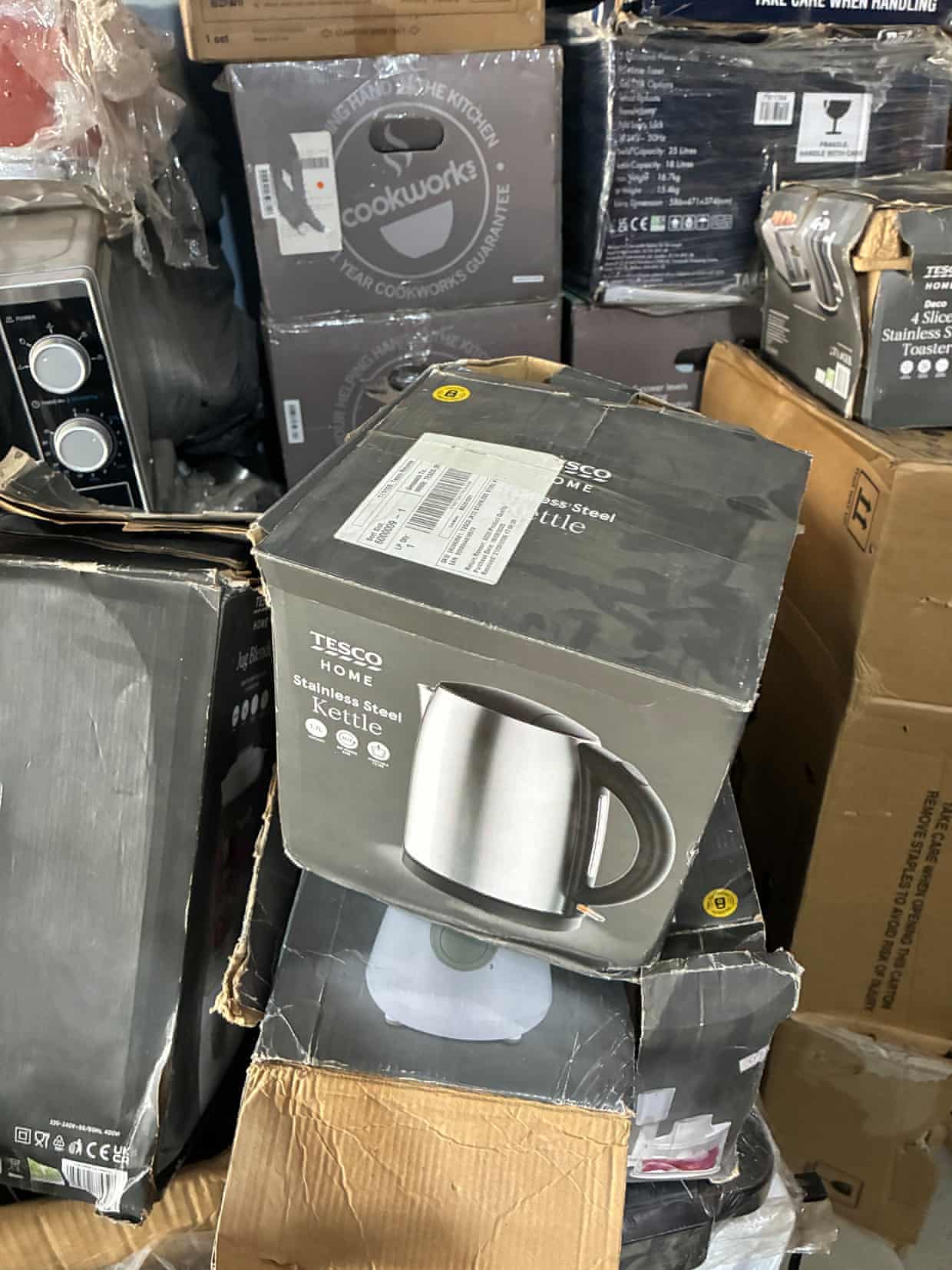
Tesco own brand slow cookers, toasters and Crockpot branded slow cookers, including at least one with a Tesco label, were found on the Accra dump.
Tesco said on Thursday it had suspended its third-party electronic waste management providers with immediate effect while it completed a full audit of them and their practices.
“We’re extremely concerned about these claims … We remain committed to removing or reducing the waste across our operations wherever we can and we work closely with experts to ensure we handle materials responsibly, in line with legal requirements and our own robust standards,” the store said.
Argos items including its own brand Cookworks products, slow cookers, toasters and food slicers were found at the dump.
Argos also said it was mounting an investigation into how the items had ended up there.
“As a responsible retailer, we have processes in place for products returned to Argos. We take these findings seriously and are reviewing the information provided to establish what further action is needed to ensure our requirements are met,” Argos said in a statement.
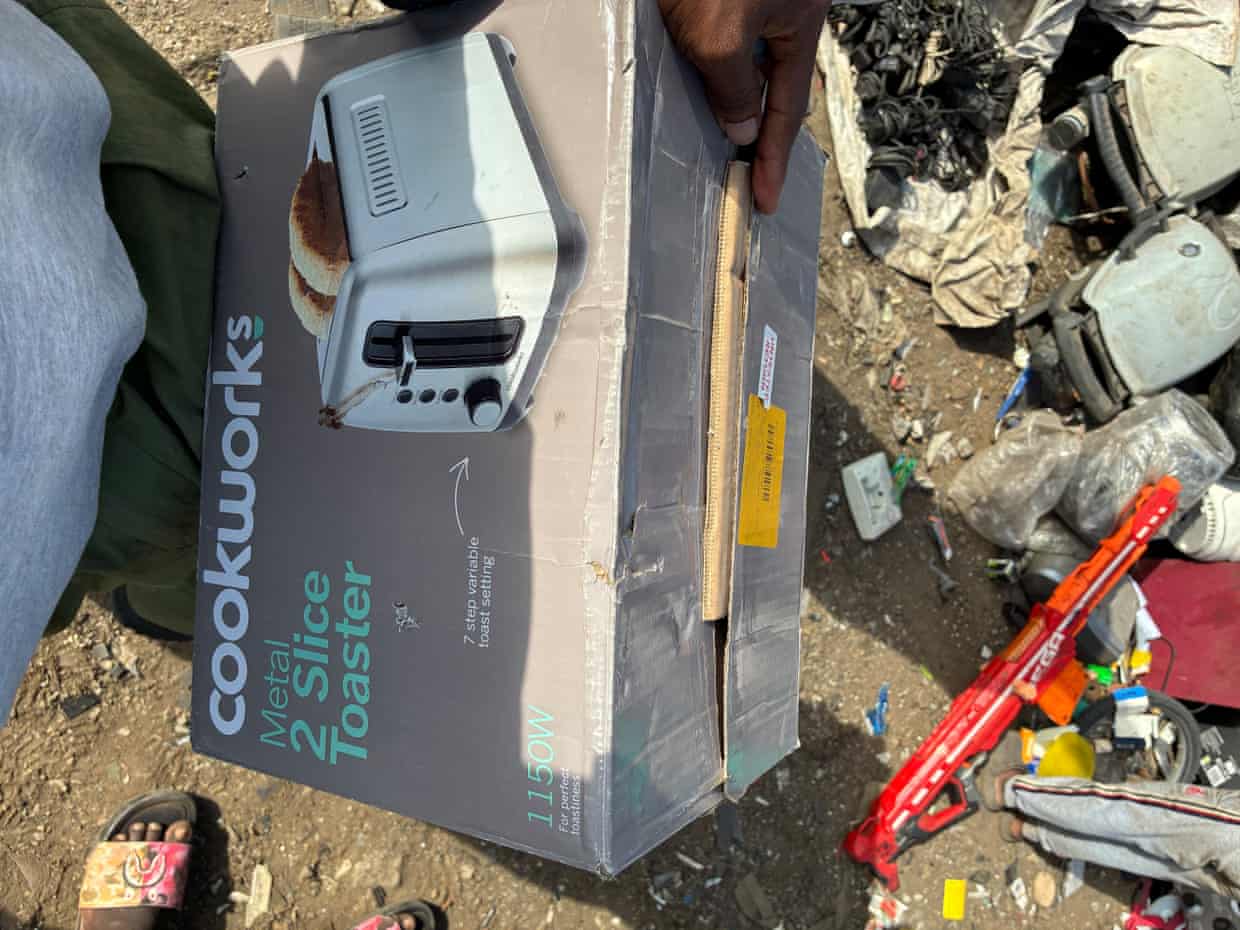
The investigation found dozens more British items bearing returns labels for sale, including many marked as faulty, being sold in secondhand shops in the area.
Shopkeepers said they had bought the items from brokers in the UK, who provided them as mixed shipments of home electrical equipment.
“The percentage of unusable products varies [by shipment] but sometimes it can be about 10%,” one vendor said. “What do I do with the broken ones? I put them in this box and the Agbogbloshie boys come to collect it.”
All major UK retailers who sell electrical goods operate a take-back scheme which requires them to accept and recycle disused items – for example, a shopper who brings in their old toaster when they buy a new one. The goods should be logged as e-waste and contribute to stores meeting their government-mandated recycling targets.
Under the waste electrical and electronic equipment (WEEE) regulations, the goods should be passed on to approved processors. They can only be exported if the shipper can prove they will be handled in high-quality facilities.
No facilities in west Africa are approved to receive British WEEE, according to the Environment Agency.
“Ghana is not a dumping ground for broken appliances or failed retail returns from the UK,” Joshua Awuku-Apaw, a Ghanaian environmental consultant, told Unearthed. “Shipping faulty, non-functional kitchen appliances abroad under the cover of ‘reuse’ or ‘second-hand trade’ shifts the financial, environmental, and health costs of overconsumption on to Ghanaian communities and workers … Ghana’s communities should not bear the health burden of UK retail waste.”
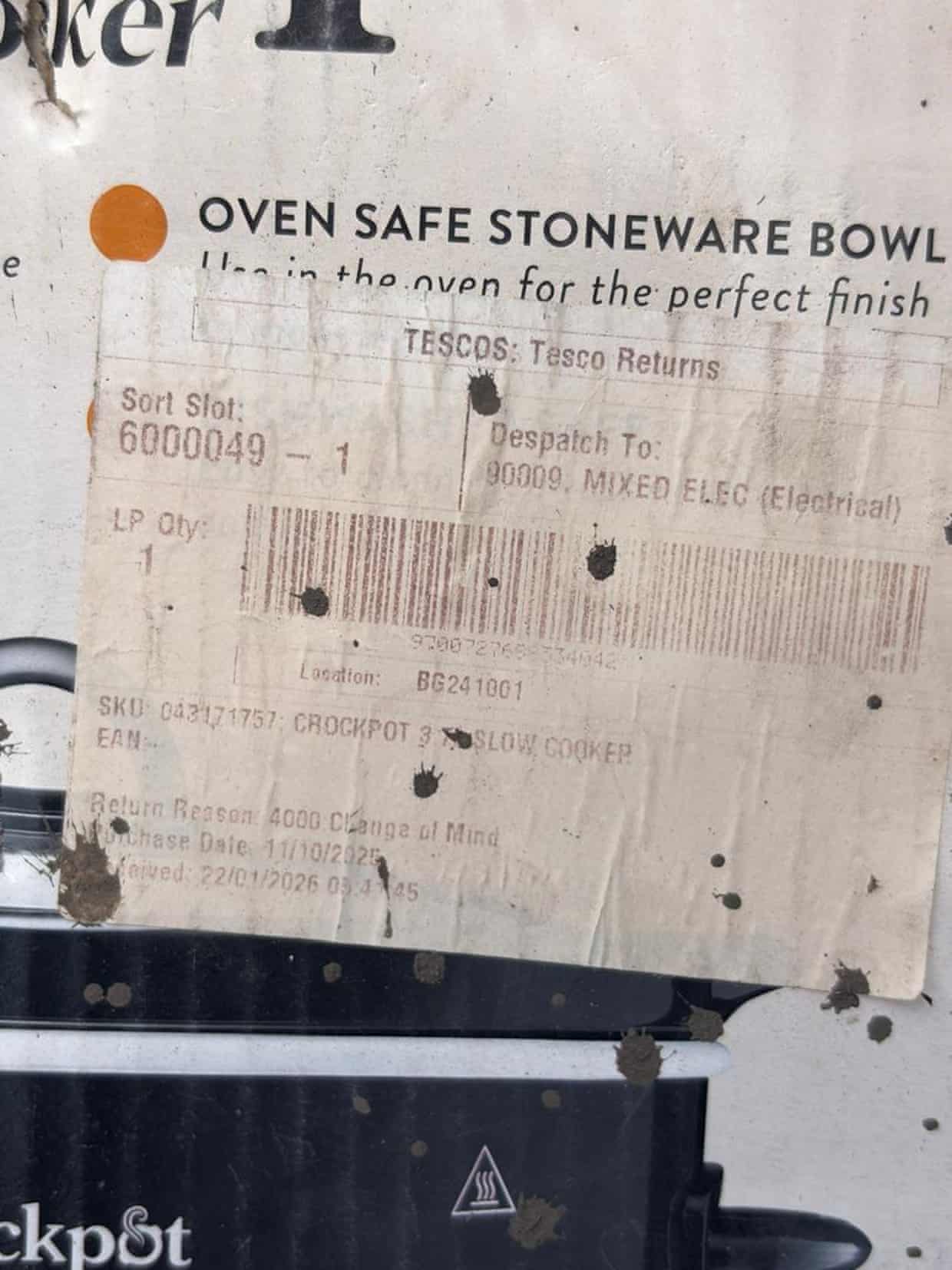
The investigation traced the route by which the products could have ended up in Ghana. When recently bought items are returned to shops for a refund, even when they are being returned because they are faulty, they can enter a separate stream, the liquidation market, along with other consumer returns, the investigation found.
“Just because somebody in the supermarket says it’s not working, doesn’t always mean they’ve technically declared it as waste,” said e-waste expert Mark Sayers.
Many of the items Greenpeace found in Agbogbloshie and second-hand stores had stickers labelling the goods as “untested return”.
The investigation alleged that returned goods are often sold off in bulk, at a fraction of their shop shelf-price. Sometimes this takes place via the retailers’ own stock liquidation channels where pallets of returns, including job lots of small household electricals, are sold.
The lots are bought by “jobbers” – individuals and small businesses who buy the goods by the palletload and set about extracting any value they can – whether by listing items individually on eBay or Vinted, selling them in bargain-bin stores or exporting them.
Jim Puckett, founder of Basel Action Network, which campaigns against the export of e-waste to poorer countries, said that treating untested returns as anything other than waste was a “major loophole”.
“It should be considered waste until proven otherwise,” he said. “Especially if people are buying it at auction or whatever and shipping it all around the world.”
An Environment Agency spokesperson said: “Illegal waste exports are a serious crime. There is no excuse for exporting waste to be dumped or landfilled overseas. Waste leaving England must be sent for legitimate recovery or recycling.
“New controls mean exports of waste electrical and electronic equipment must be notified and approved before they leave the country. The Environment Agency is using intelligence to intervene earlier, target suspicious shipments and disrupt the criminals behind illegal waste exports.”
“Anyone who breaks the law risks having shipments stopped, facing prosecution and financial penalties. Waste criminals should be in no doubt, we are watching, we are acting and you will face the consequences.”
Greenpeace UK’s chief scientist, Dr Doug Parr, said: “Customers will be appalled to learn that, instead of being repaired or recycled, these faulty returns ended up in a notorious megadump leaching toxic run-offs that poison entire communities. This isn’t the circular economy, but long-range fly-tipping, and it’s shameful.”
Asda referred approaches to the British Retail Consortium. The BRC said in a statement: “Retailers take their responsibility to tackle electrical waste seriously, so reports of faulty electronics being dumped in Ghana are deeply concerning.
“Used electronics should only be exported for legitimate reuse where they are safe and functional and must not place the burden of dealing with UK waste on communities overseas. We also need greater investment in the UK’s recycling infrastructure so more electrical waste can be safely reused and recycled here.”