Don’t wait for a change in sexual consent law. Adults can act to stop age-gap abuse
The law is important, but so is the fact that people know when associates embark on inappropriate relationships. They bear responsibility too
Mia Latter was 16 and out clothes-shopping when Russell Brand stopped her on the street. He riffled through her bags to choose a dress he told her she should wear for the date he’d be taking her on. And so began a short relationship – if that’s the right word, given she was still at school and he was a 30-year-old MTV presenter, who she says publicly referred to her as “the child”. Towards the end, she claims, Brand orally raped her.
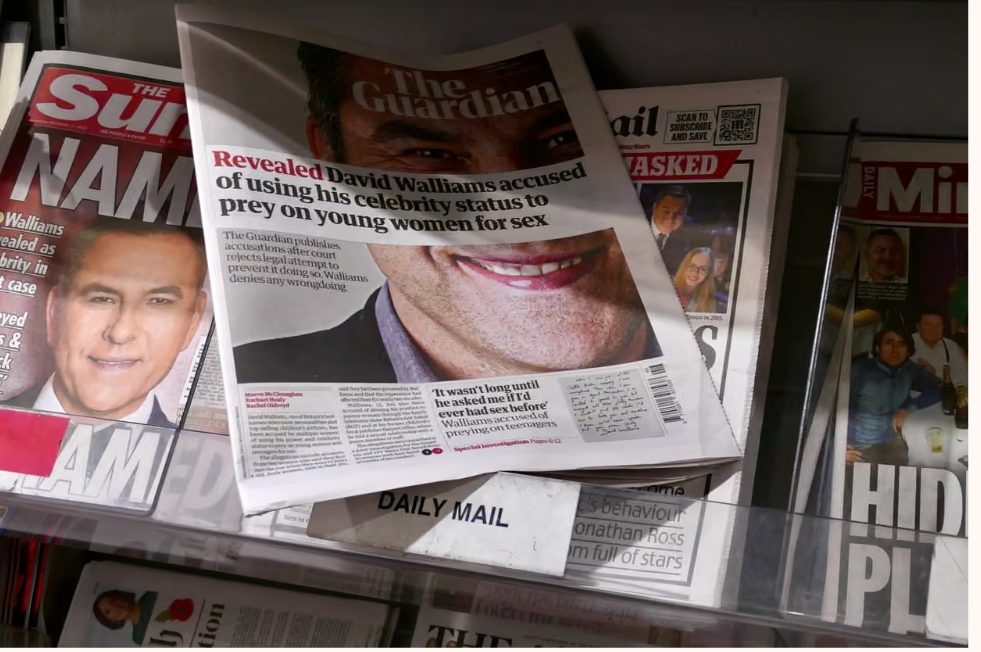
Lilly Creightmore was 18 when she says the then 32-year-old celebrity David Walliams asked her to dinner and then began pestering her for sex. There’s a hauntingly awkward photograph of her with him at a celebrity bash. Another time, at a house party, a fellow guest remembers her sitting on the floor alone, like a bored child. She now feels his behaviour was an abuse of power over someone vulnerable. Walliams’s lawyers say he denies grooming her or behaving inappropriately.
Ministers have so far made carefully noncommittal noises, with the Cabinet Office minister Louise Haigh arguing it would be “a massive step to change the age of consent, but it deserves proper consideration and scrutiny”. Which is the sort of thing ministers say when they feel the emotional pull, but are wary of legislating in haste.
The urge to do something, after the heartbreaking stories of the last few weeks, is overwhelming. And raising the age of consent to 18 where one partner is an adult in a position of trust, like a teacher, has undeniably transformed safeguarding – including helping people see that teenage boys can be as vulnerable as girls.
But discussing it with friends at the weekend, all of us mothers of teenagers, we were split. Older teens must be free to make and learn from their own relationship mistakes at some point, if they’re ever to develop their own judgment. What we couldn’t agree on was when exactly that point comes, or how big an age gap exactly is too big. It’s less a number than a feeling, varying by each partner’s emotional readiness and life experience, and incredibly hard to codify in law.
What worries me about this well-intentioned campaign is the risk of failing to distinguish between a bad romance – the kind you wish your younger self hadn’t had, but from which you perhaps learned something about what a good one looks like – and an abusive relationship potentially already covered (as with Mia Latter’s alleged oral rape) by the law.
Would staggered ages of consent have stopped Brand? Sadly I doubt it, given the court heard that he indecently assaulted a grown woman at a radio station in front of four of his entourage, who did nothing to intervene. And though Close the Consent Gap argues that its proposals would make teenagers more confident in pressing sexual assault charges, since they wouldn’t have to prove they were coerced, it would also give adults who disapprove of a 17-year-old’s life choices or sexual orientation the power to report an otherwise happy relationship to the police. Better, perhaps, to treat age gaps as aggravating factors in sentencing, or else give them their rightful weight when considering pressing charges – rather as we treat other things, like alcohol, that can erode the ability to consent.
These are difficult questions, and Haigh is right to argue against kneejerk decisions. But the one crystal-clear lesson of the last few weeks is that wherever the line ends up being drawn, the moral responsibility to protect what are still only baby adults begins wherever the law protecting older children leaves off. Brand denies Latter’s allegations, but everyone around him should have known that relationship was wrong, whatever the law said, just as Walliams’s peers should have seen the glaring red flags in a family entertainer pursuing teens. Young people are safest not when they’re infantilised, but when older adults quietly take responsibility for the behaviour of other adults around them. It shouldn’t take a change in the law to see that.
- Gaby Hinsliff is a Guardian columnist
Do you have an opinion on the issues raised in this article? If you would like to submit a response of up to 300 words by email to be considered for publication in our letters section, please click here.